
Okay, so check this out—I’ve been messing with wallets for years. Seriously. Wallet A, wallet B, dozens of extensions and mobile apps. At first I thought all wallets were basically the same: store keys, sign txs, pray. Then something felt off about that assumption. My instinct said the UX and simulation features would make or break real DeFi workflows, not just fancy marketing copy. Whoa—that was an aha moment.
I want to be upfront: I’m biased toward tools that respect both power users and cautious newcomers. I’m a tinkerer, and I like control. That said, I also get frustrated when an app hides important details. This part bugs me: too many wallets treat simulation and gas controls as optional, tucked-away knobs. The result? People overpay or unknowingly approve risky operations. Not great.
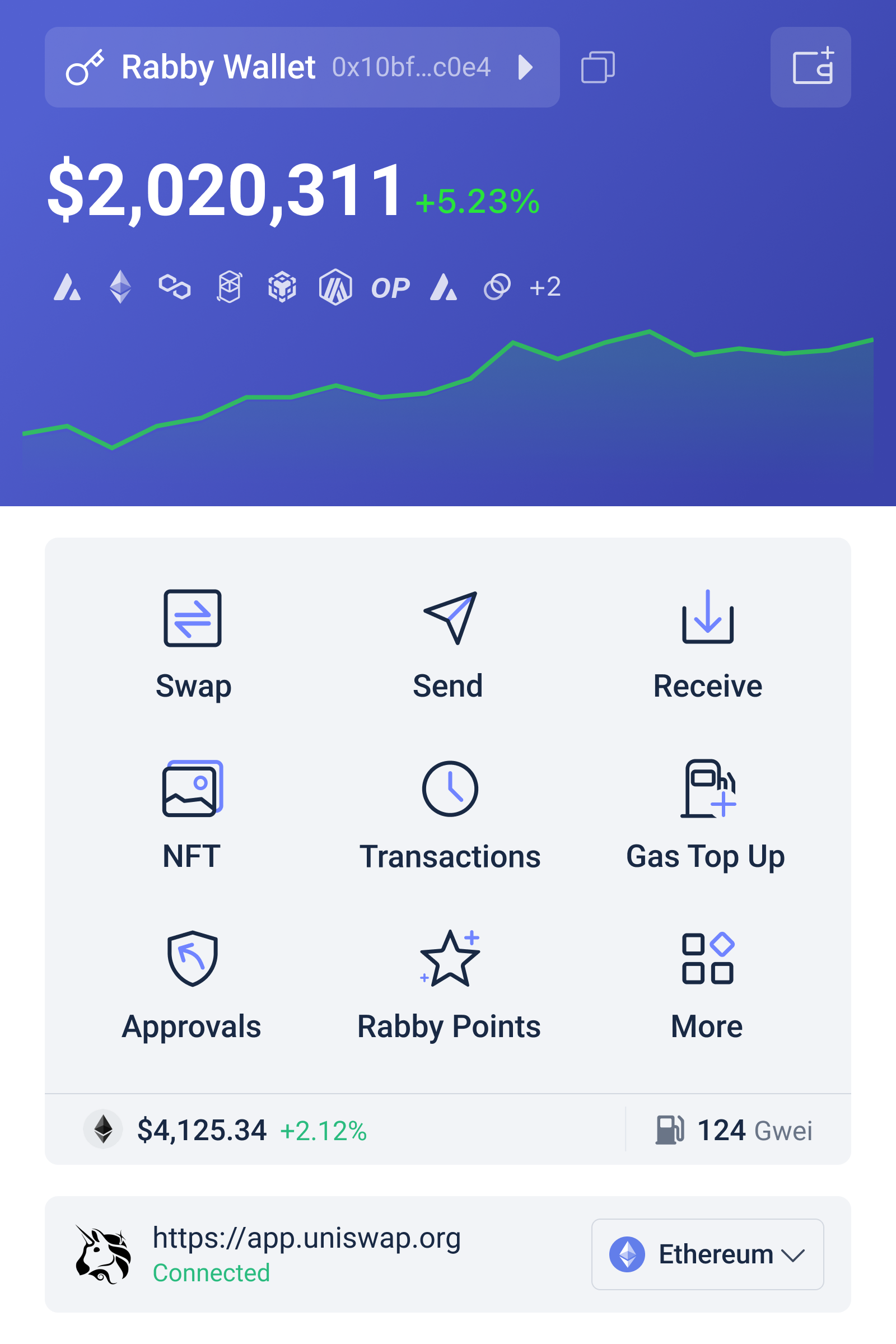
Here’s the thing. I started leaning on a wallet that does transaction simulation well and gives a readable portfolio view without yelling at you. It wasn’t love at first click. Actually, wait—let me rephrase that. There was curiosity first, then multiple tiny confirmations that nudged me toward trusting it. The wallet in question—yes, it’s possible you’re already familiar—handles multisig nuances, ERC-20 allowances, and gas estimation in a way that feels deliberate and not slapped together. And yeah, it integrates portfolio tracking that doesn’t make your eyes glaze over.
What I Mean by “Transaction Simulation” (and Why It Matters)
Quick reaction: “Whoa!” Simulation matters. Medium sentence: it spots issues before you click confirm. Longer thought: when a wallet simulates, it runs through the expected EVM calls and shows potential internal transfers, token swaps, and failed-revert risks so you can avoid surprises that cost real gas and real money.
Initially I thought a simulation was just a luxury. On one hand it seemed extra, though actually, after a few failed attempts at complex swaps and permit flows I realized it was essential. My instinct said: stop guessing. Simulate. The difference is practical: fewer refunds, less time chasing tx hashes, and more confidence when interacting with complex DeFi contracts.
Oh, and by the way… a good sim doesn’t need to be cryptic. It should be readable. Show me which call reverts, show me token deltas, show me steps. I’m not 100% sure the average user wants full opcode dumps, but they do want clear, human-friendly highlights: “This operation will increase allowance to X” or “This swap may fail due to slippage.” Those little notes save headaches.
Portfolio Tracking That Actually Helps
Short burst: Really?
Portfolio tracking is often marketed as a luxury feature. But if you care about capital efficiency, taxes, or simply knowing where your money sits across chains, it’s crucial. Medium: a useful tracker aggregates on-chain balances, highlights unrealized P/L, and surfaces stale approvals. Longer: when portfolio views are integrated with safe transaction tools, you stop treating wallet interaction as isolated acts and start managing an ongoing financial position—something I wish more power users did.
I’ll be honest—I’ve lost time staring at spreadsheets and switching between block explorers. That double-work is avoidable. Wallets that auto-fetch token prices, show historical balances, and flag odd approvals reduce cognitive load. They don’t make investment decisions for you, but they structure the data so you can.
As an aside: linkages to portfolio trackers that spam requests or leak data? Big no. Privacy matters. I prefer solutions that do client-side aggregation where possible, and minimize third-party calls. Yep, I’m picky.
Security Features I Actually Use
Short: Hmm…
Moderate: Multi-account support, hardware wallet integration, and spending limits are staples. Longer: but the stuff that sold me was contextual warnings during transactions—alerts about token approvals that ask whether you want “infinite” allowance, reminders about interacting with freshly deployed contracts, and visible provenance for contract addresses.
My experience: those nudges prevent dumb mistakes. On one hand they can feel naggy, though on the other they’re lifesavers when you rush through a confirm. I’m not saying they replace careful vetting—no way—but they are helpful guardrails. The best guardrails are configurable; let the expert users turn verbosity down, let new users keep it high.
Small imperfection: sometimes I still approve things I shouldn’t. Humans are imperfect. But well-designed UIs and smart defaults make that less likely.
Real-World Workflow Example
Here’s a typical session for me: open wallet, glance at portfolio (is my stablecoin allocation where I left it?), then prepare a swap. Short: Wow. Medium: I set slippage, simulate the routing across DEXes, check the gas estimation, and confirm. Longer: If the simulation shows a potential intermediate token transfer or an allowance bump, I pause and assess—maybe split the action into two to minimize exposure, or adjust slippage to reduce slippage-induced losses. These tiny behavioral changes add up.
Initially I’d do the blind swap and hope the frontend handled everything. Over time, I learned to treat the wallet as a co-pilot: it should give context, not take the wheel. That mental shift reduced costly mistakes.
Why Rabby Wallet Resonated With Me
Short burst: Seriously?
I’ll be blunt: the polish matters. What caught my eye was a combination of clear simulation, readable approval management, and sensible portfolio overviews. On the surface it looks like many wallets, though dig in and you find practical workflows that respect both experienced traders and cautious users. If you’re curious to take a look, check this out: https://rabby-wallet.at/.
Longer thought: the integration of simulation into the confirm flow, plus accessible historical transaction info, means fewer surprises. I learned to value that in the US market especially, where DeFi experimentation is high and mistakes are costly. Plus, when a wallet makes it easier to work with hardware keys and multisig setups while keeping the interface sane, that’s a real win.
I’m biased toward tooling that reduces friction without reducing control. Rabby—again, it’s the tool I kept returning to—manages that balance for me. Not perfect, but convincingly practical.
FAQ
Do I need transaction simulation for basic swaps?
No, you don’t strictly need it. But it helps. For simple low-value swaps it’s overkill; for complex routes, permits, or multisig interactions, it’s very useful. My gut says use it whenever the stakes are nontrivial.
Will a wallet with portfolio tracking hurt my privacy?
Depends. If tracking is done client-side and the app avoids heavy third-party telemetry, privacy impact is minimal. Always check what data is uploaded or shared. I’m not 100% sure all apps are transparent about this, so caveat emptor.
Is switching wallets risky?
Short answer: no, if you follow key hygiene—only import using seed phrases in safe environments, prefer hardware keys, and verify addresses. Longer answer: plan the migration, move small amounts first, and keep backups. I’ve moved funds many times and yes, I’ve tripped up once or twice—learned the hard way.